How To Make The Best Scrambled Eggs

Published
Published
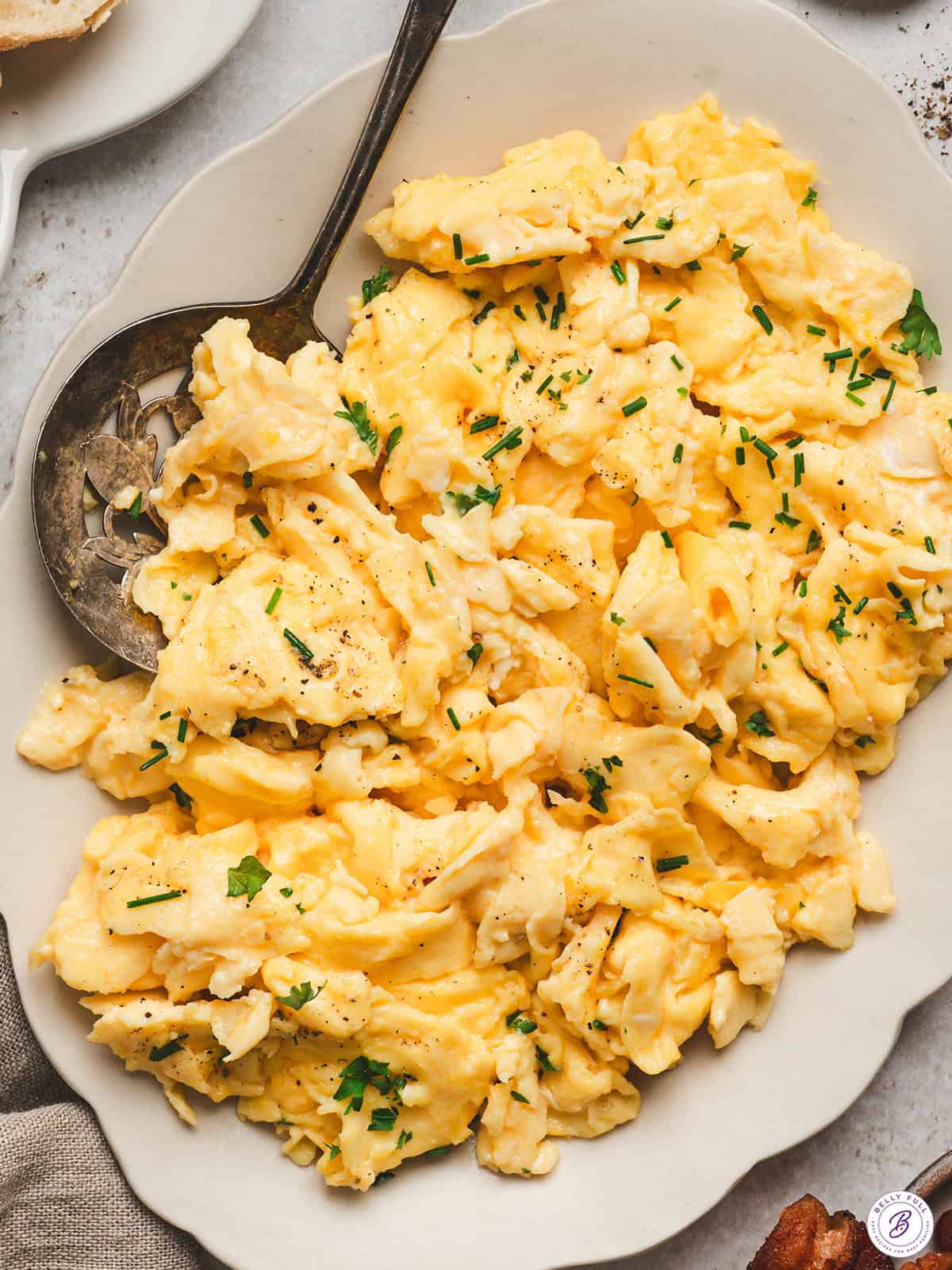
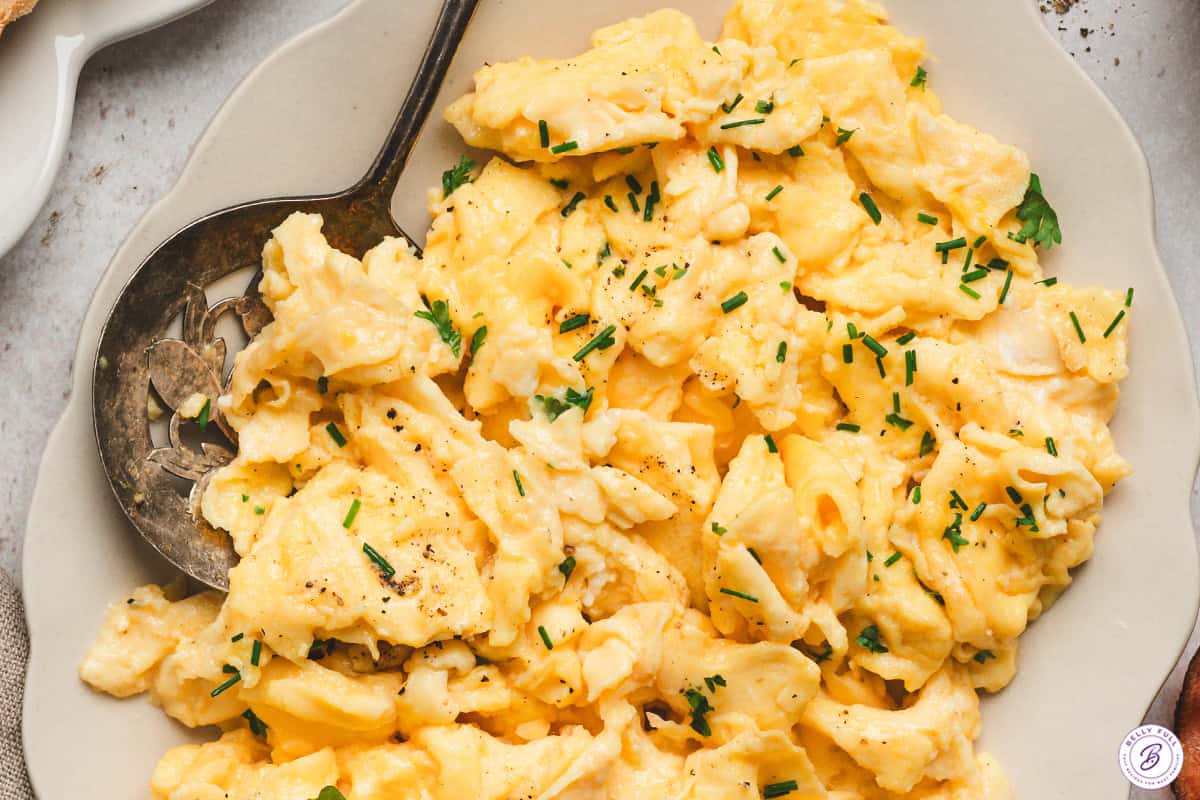
When you want the absolute best scrambled eggs, this is how you do it. With just a few simple ingredients and one skillet, you can make tender incredible scrambled eggs in less than 10 minutes. This method uses gentle heat and slow cooking to create eggs that stay soft, fluffy, buttery, and creamy instead of dry or rubbery. They’re perfect for quick weekday breakfasts, lazy weekend brunches, or even breakfast-for-dinner nights when you need something comforting and fast. If your scrambled eggs usually turn watery, overcooked, or bland, let me show you a few simple techniques that can completely change the texture and flavor. You’ll never look back!
Pin this now to find it later
Pin It5 STAR REVIEW
This is my tried-and-true method for the absolute best scrambled eggs. I used to cook basic scrambled eggs in a hurry, like most people, and didn’t think I was doing anything wrong. Then, several years ago, I watched Curtis Stone make some, and it completely changed my egg-loving life. The biggest lesson I learned from him was to slow everything down. Instead of constantly stirring over high heat, he used gentle heat, slow folds, and removed the eggs while they still looked slightly soft and glossy. That one technique completely changed the texture of my scrambled eggs. They instantly became creamier, softer, and way less dry.
After testing this method against hotter, faster cooking styles over the years, the difference has never even been close. Low heat creates soft, creamy curds instead of dry, rubbery eggs, and thoroughly whisking the eggs beforehand helps create a lighter, fluffier texture without needing a bunch of extra ingredients. These scrambled eggs land somewhere between classic diner-style eggs and soft French-style eggs, which makes them easy enough for busy mornings but still feel a little special. Thousands of readers have made these eggs over the years, and the consistent 5-star reviews all say the same thing: once you slow down and use the right technique, it’s hard to go back to basic scrambled eggs again.
Helpful Tips
- Use good-quality eggs for the best flavor and texture. Fresh eggs tend to have firmer whites and richer yolks, which create creamier scrambled eggs. I especially like pasture-raised eggs because their deeper golden yolks often produce a richer flavor and more vibrant color. But any eggs will work with this method.
- Add a little fat for richer eggs. I prefer 1/4 cup half-and-half because it adds creaminess without making the eggs heavy. Whole milk creates a lighter texture, while heavy cream makes the eggs richer and denser. You can even add a spoonful of mayonnaise for extra richness. Just avoid too much liquid, which can make the eggs watery.
- Salt the eggs before cooking for more even flavor. Whisking the salt directly into the eggs distributes the seasoning throughout the mixture instead of leaving it only on the surface. While salting at the end works too, I find the flavor tastes more balanced when the salt is mixed in before cooking.
- Whisk the eggs really well before they hit the pan. I whisk until the yolks and whites are completely combined and slightly frothy. That extra mixing incorporates air and helps create lighter scrambled eggs with more even cooking throughout.
- Cook the eggs low and slow. I tested these with higher heat several times, thinking it would save time. The eggs went from soft to rubbery almost instantly, not to mention sticking to the pan. Lower heat gives the eggs time to form soft, creamy curds instead of tightening up too quickly. It’s the biggest difference between average scrambled eggs and really good scrambled eggs.
- Pull the eggs from the heat before they look fully done. This is the real secret to creamy scrambled eggs. I take mine off the stove while they still look slightly glossy and soft because the residual heat keeps cooking them for another 30 seconds or so. If you wait until they look fully set in the pan, they’ll usually end up overcooked on the plate.

The Best Scrambled Eggs
Ingredients
- 4 large eggs
- ¼ cup half and half
- ¼ tsp coarse salt
- 1 tbsp unsalted butter
- black pepper, for serving, optional
- fresh chopped herbs, for serving, optional
Instructions
- In a medium mixing bowl, aggressively whisk together the eggs, half and half, and salt until the mixture is uniform in color and texture, and is light and foamy, without any separate streaks of yolk or whites.
- Melt the butter in a small nonstick pan over medium heat, until the butter coats the whole pan and just starts to foam.
- Add the eggs to the center of the pan and immediately reduce the heat to medium-low.
- Wait for the edges to just barely start to set, then using a rubber spatula, gently push the eggs from one end of the pan to the other. Continue this process, pausing in between swipes to allow the uncooked egg to settle on the warm pan and cook, gently pushing the liquid to form the curds.
- When the eggs are mostly cooked, with big pillow-y folds, but still look pretty wet, slowly fold the eggs into itself just a couple times, bringing them together.
- Remove from the heat when the eggs still shimmer with some moisture.
- Transfer to serving plates. Finish with some freshly cracked pepper and chopped fresh herbs. Scrambled eggs have never tasted so good!
Video
Notes
Nutrition
Nutritional information given is an automatic calculation and can vary based on the exact products you use and any changes you make to the recipe. If these numbers are very important to you, I would recommend calculating them yourself.
 Did you make this? Leave a rating below!
This post may contain affiliate links. If you click on one and make a purchase, we may earn a small commission at no extra cost to you. We only recommend products we genuinely love.”
How to Make Scrambled Eggs Step by Step
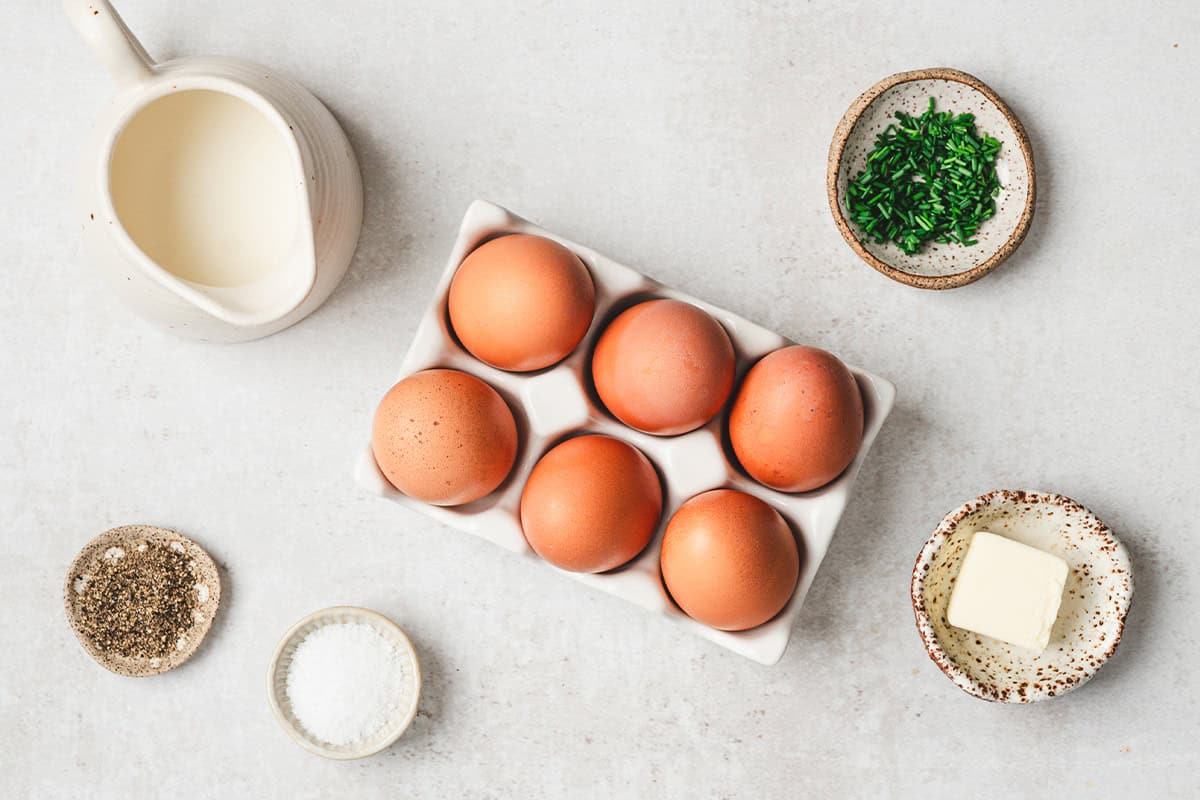
Gather all the ingredients together.
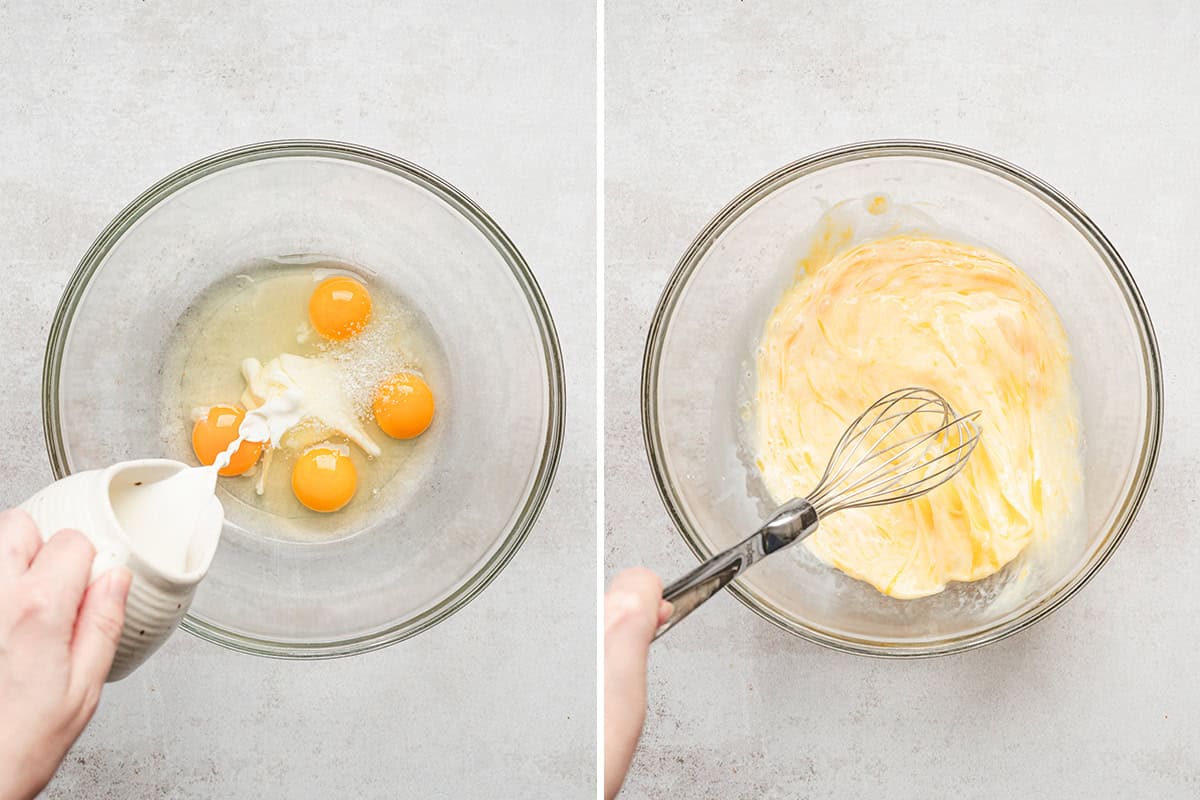
Whisk the eggs: In a medium mixing bowl, aggressively whisk together 4 large eggs, ¼ cup half and half, and ¼ teaspoon coarse salt until the mixture turns pale yellow, looks slightly frothy, and no streaks of yolk or egg white remain. The mixture should look completely smooth and airy. I prefer using a standard whisk because it incorporates enough air for fluffy eggs without overworking them. A fork works fine too, but you’ll need to whisk a bit longer to fully combine the yolks and whites.
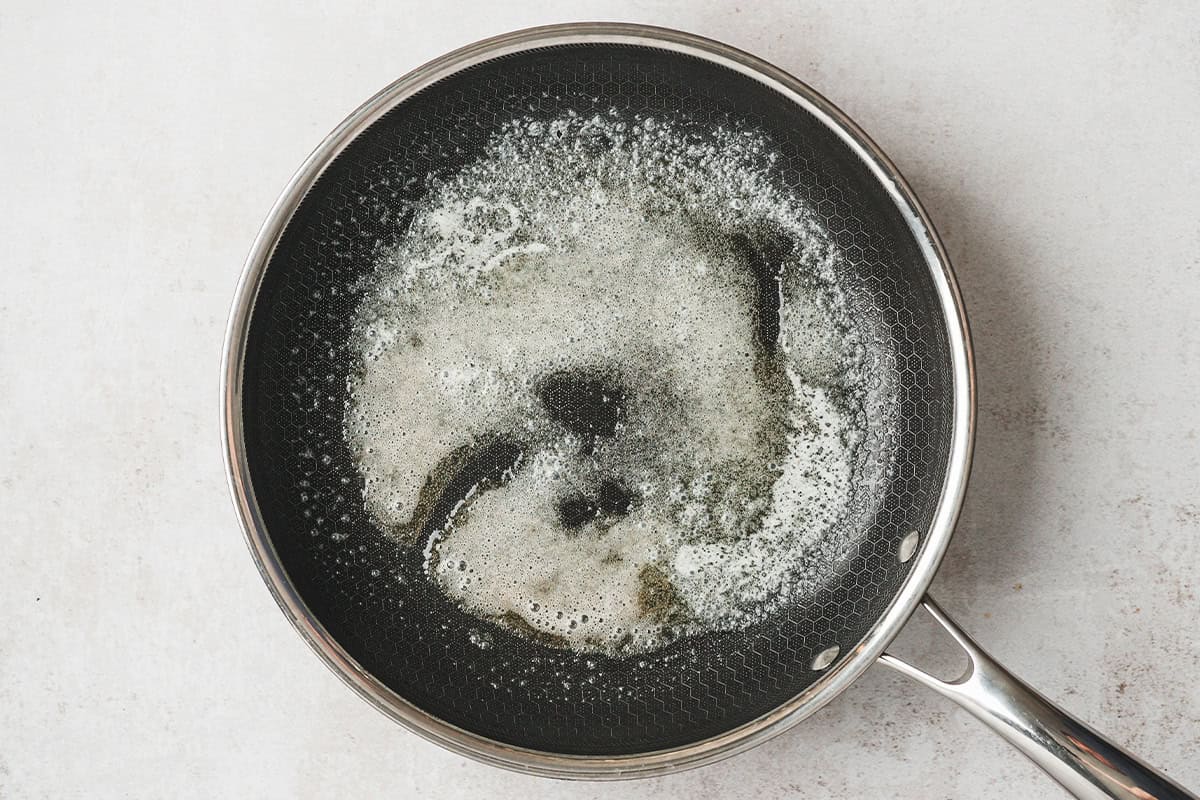
Heat the pan: Melt 1 tablespoon unsalted butter in a small nonstick skillet over medium heat until the butter fully coats the pan and just starts to foam. Don’t let the butter brown.
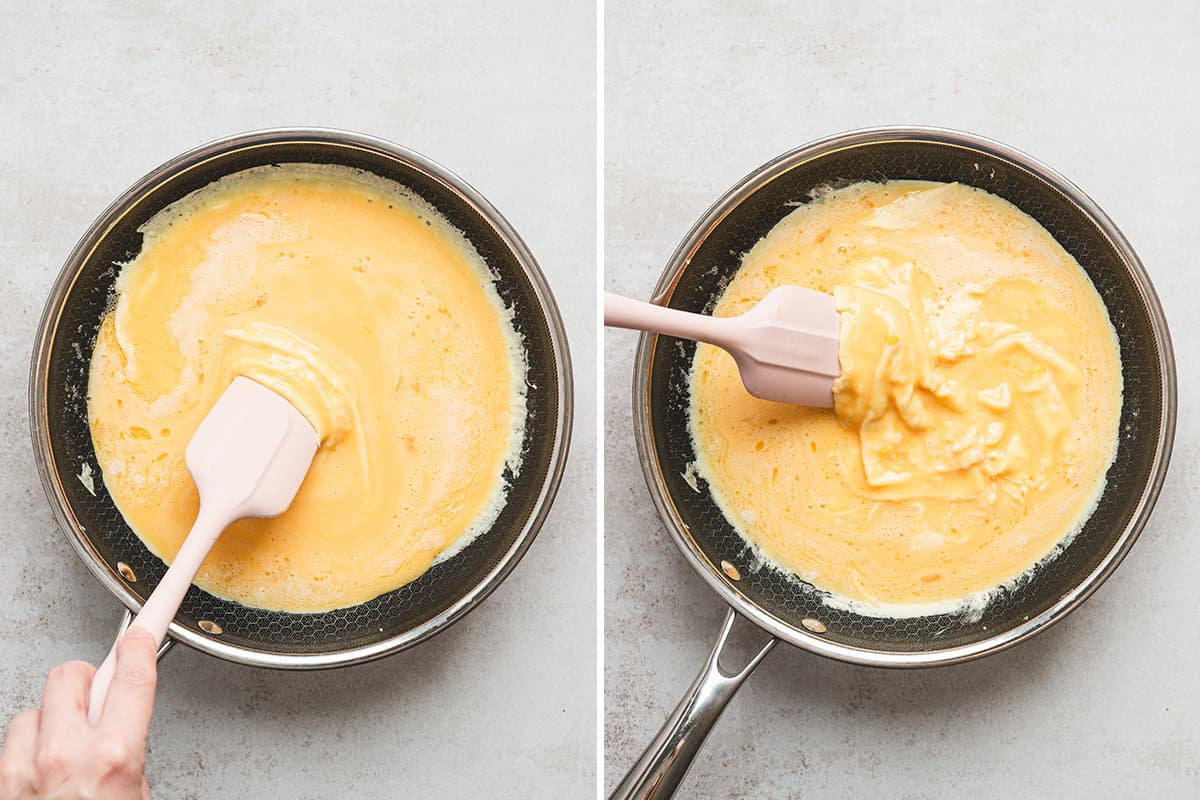
Gently form the curds: Pour the egg mixture into the center of the skillet, then immediately reduce the heat to medium-low. Let the eggs sit untouched for a few seconds until the edges barely begin to set. Using a rubber spatula, slowly push the eggs from one side of the pan to the other. Pause for a few seconds between each swipe so the uncooked egg can spread across the warm surface and begin setting. Continue gently pushing and folding the eggs as soft, fluffy curds start to form. The eggs should stay glossy and loose while cooking.
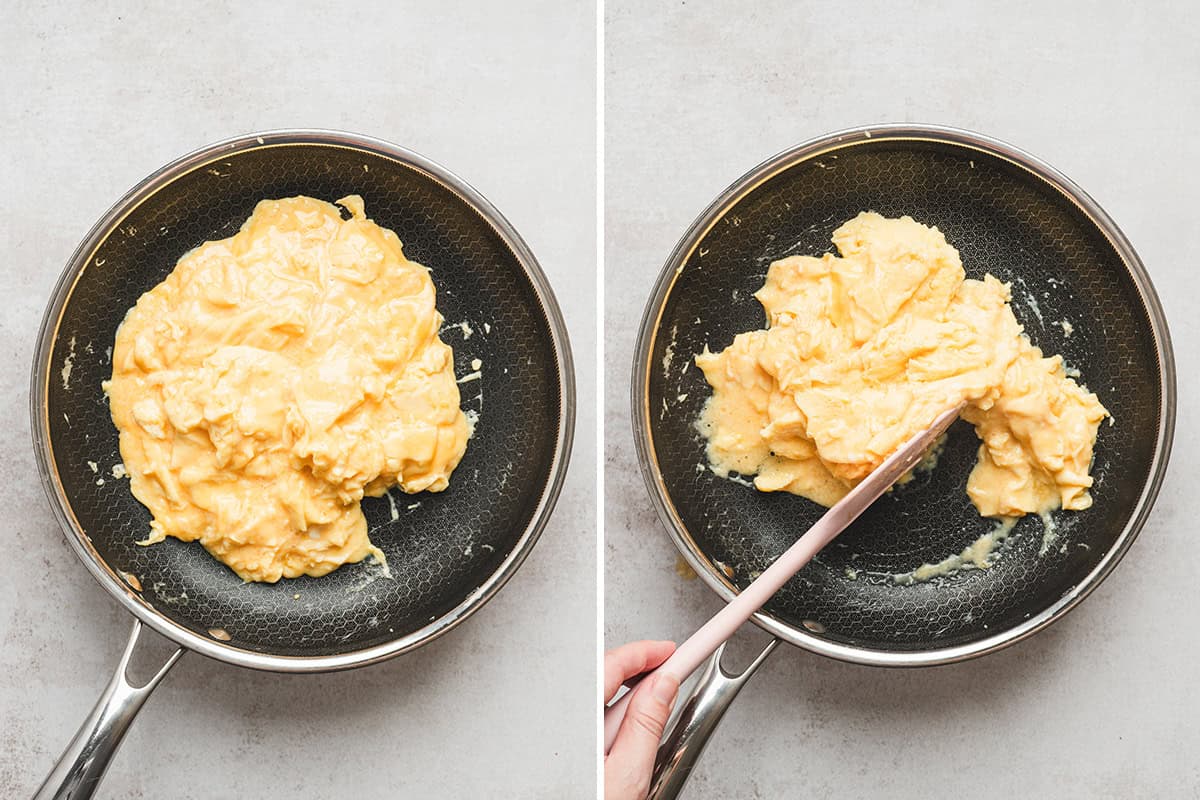
Finish cooking: When the eggs form large pillow-y folds and look mostly cooked but still slightly wet on top, gently fold them over themselves just a couple more times to bring everything together. Avoid stirring too much, or the curds will break apart.
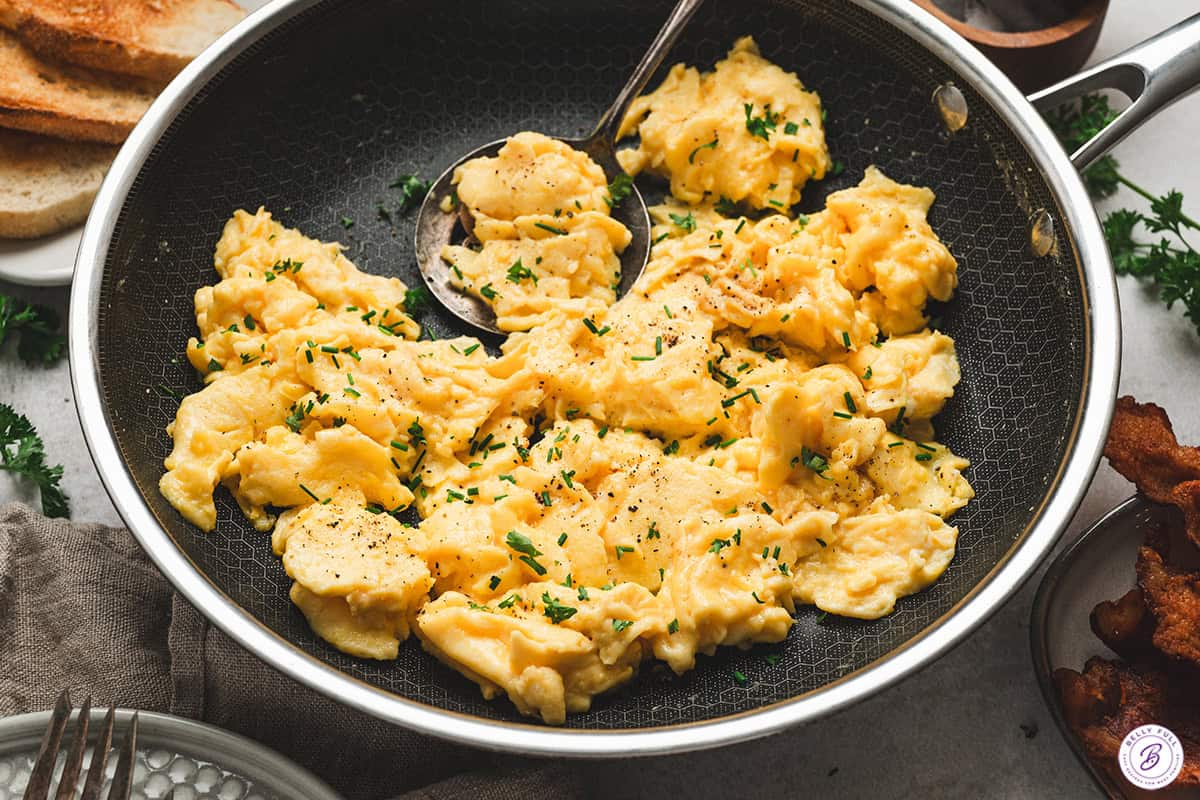
Remove from the heat and serve: Take the skillet off the heat while the eggs still shimmer slightly with moisture. The residual heat will finish cooking them without drying them out. Transfer the scrambled eggs to serving plates right away. Finish with freshly cracked black pepper and chopped fresh herbs, if desired.
How to Scale the Recipe
This recipe is written for 4 large eggs, which yields about 2 servings and gives the best balance of soft, fluffy curds without overcrowding the skillet. If you need to adjust the recipe, keep these tips in mind:
For 1 Serving (2 Eggs)
- Reduce the half-and-half slightly so the eggs don’t become loose or watery.
- Lower the heat a bit and watch closely since smaller batches cook very quickly.
- Start gently moving the eggs almost immediately after they hit the skillet.
For 2 Servings (4 Eggs)
- This is the ideal batch size for the recipe as written.
- The eggs have enough room to form large, soft curds without trapping excess moisture.
- A standard whisk works perfectly for incorporating air into the eggs.
For 4+ Servings (8 Eggs or More)
- Use a larger nonstick skillet or cook the eggs in batches.
- Avoid increasing the heat to speed things up. More eggs need more time, not more heat.
- Crowding too many eggs into one pan can trap steam and make the eggs watery.
- Keep the heat at medium-low for the creamiest texture.
- For larger batches, a hand mixer on low speed can help quickly incorporate air into the eggs and create a lighter, fluffier texture before cooking.
For holiday breakfasts or feeding a large crowd, I usually make my baked scrambled eggs recipe instead. It’s much easier to serve and consistently produces creamy eggs for a group.
Scrambled Egg Additions
- Cheese: Cheddar, goat cheese, feta, Parmesan, or cream cheese all melt beautifully into scrambled eggs.
- Fresh herbs: Chives, parsley, dill, or basil add freshness right at the end.
- Cooked vegetables: Sautéed mushrooms, spinach, onions, bell peppers, or tomatoes work especially well.
- Breakfast meats: Crumbled bacon, sausage, diced ham, or smoked salmon add extra protein and flavor.
- Heat: Add hot sauce, red pepper flakes, Calabrian chilis, or jalapeños for a little kick.
- Extra richness: A spoonful of cottage cheese or crème fraîche makes the eggs even creamier.
Serving Suggestions
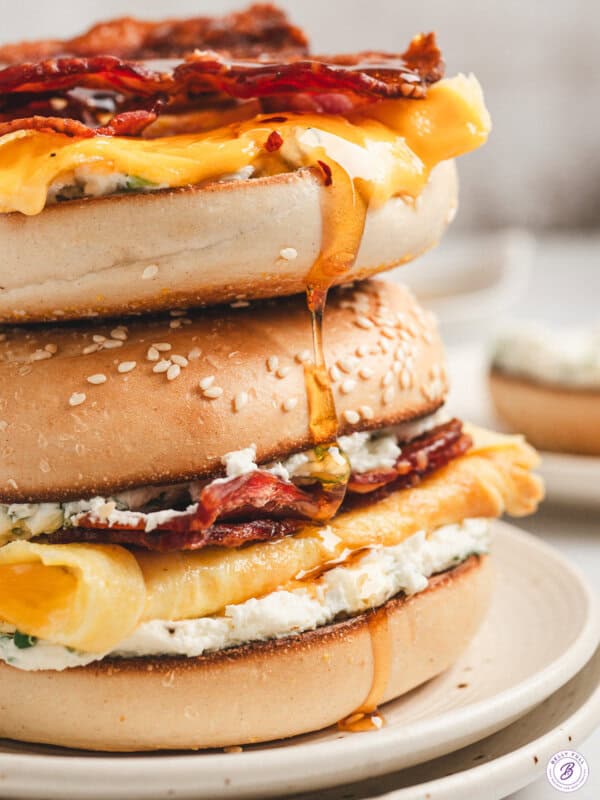
I make these scrambled eggs constantly for quick weekday breakfasts, slow weekend brunches, and even easy breakfast-for-dinner nights. I love serving them with buttered sourdough toast, crispy potatoes, or bacon on the side. They’re also great tucked into breakfast sandwiches or breakfast burritos. When I want a bigger brunch spread, I pair them with fresh fruit, pancakes, sausage, or hash browns. A little hot sauce, fresh chives, or shredded cheese on top makes them even better.
How to Store Leftovers
- Fridge. Store leftover scrambled eggs in an airtight container in the refrigerator for up to 3 days.
- Reheat. For the best texture scrambled eggs are best eaten right away, but you can reheat them slowly in a nonstick skillet over low heat, stirring gently until warmed through. You can also microwave them in short intervals, stirring between each one so the eggs stay soft instead of turning rubbery.
- Freeze. I don’t recommend freezing scrambled eggs since they become watery and spongy after thawing.
More Easy Breakfast Recipes
- Hash Brown Egg Casserole: This hash brown egg casserole combines eggs, cheese, potatoes, and ham into one easy breakfast bake. It’s a great option for brunches, holidays, or feeding a crowd alongside your scrambled eggs recipe.
- Make-Ahead Breakfast Enchiladas: These overnight breakfast enchiladas are filled with eggs, cheese, and ham, then baked until warm and bubbly. They’re ideal for meal prep or weekend brunches when you want another comforting egg-based breakfast recipe.
- Pancake Casserole: If you’re building a full brunch spread, this pancake casserole pairs perfectly with soft scrambled eggs. It has all the flavor of classic pancakes without standing at the stove flipping batches.
Our How to Make the Best Scrambled Eggs recipe was originally published 3/12/19. It was retested and republished to be better than ever 6/13/26.







Reed says, “Best scrambled eggs I’ve ever made. Thanks for explaining this technique. I’m sort of blown away and my kids think I’m a hero.”