Chicken Pad Thai

Updated
Updated
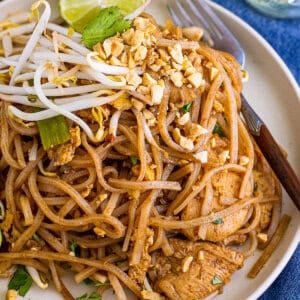
Bring restaurant-quality Chicken Pad Thai home with this authentic Pad Thai recipe. I love that it’s sweet, savory, and flavor-packed for a fantastic, easy weeknight meal.

Pin this now to find it later
Pin ItThis post may contain affiliate links. If you click on one and make a purchase, we may earn a small commission at no extra cost to you. We only recommend products we genuinely love.
Easy Chicken Pad Thai Recipe
Pad translates to “to stir fry,” and Thai refers to Thailand. So the meaning of Pad Thai is literally “Thai stir fry.” How cool is that?
Whether you’re a huge fan of Thai food or trying it for the first time, you are going to love this Chicken Pad Thai recipe! It’s quick and easy to make, unlike many recipes out there that can take hours, and while I did stick to authentic ingredients, they’re all ones you should have no trouble finding at the local food market.
With rice noodles, chicken breasts, and veggies, this Pad Thai recipe makes a complete and filling meal. It’s a bit savory and a bit sweet with a lot of umami flavor, thanks to the fish and soy sauces. It’s not super sweet like some you’ll find in the restaurants, but you can add more sugar if needed.

Chicken Pad Thai
Ingredients
For the Pad Thai Sauce
- 1 cup palm sugar, (see note below)
- 1/3 cup fish sauce
- 3 tbsp tamarind paste
- 2 tbsp lime juice, freshly squeezed
- 1 tbsp low-sodium soy sauce
- ¼ tsp red pepper flakes
For the Pad Thai Noodles
- 14 oz. vermicelli rice noodles
- 2 tbsp vegetable oil
- 1 lb. chicken breast, thinly sliced into bite-sized pieces. Shrimp, pork, beef, and tofu all work great.
- 4 cloves garlic, minced
- 4 large eggs, well beaten
- 4 scallions, green part only, cut into 1-inch pieces
- 2 cups fresh bean sprouts, divided
- fresh chopped parsley, for garnish
- finely chopped peanuts, for garnish
- lime wedges, for garnish
Instructions
- Place the palm sugar, fish sauce, tamarind paste, lime juice, soy sauce, and red pepper flakes into a large jar with a lid. Shake vigorously until combined. (If all the sugar doesn’t dissolve, give it a stir until it is incorporated. Alternatively, you can place the ingredients in a medium-sized bowl and whisk them together.) Set aside.
- Cook the rice noodles per the directions on the package. Drain and rinse with cold water to stop them from cooking, set aside.
- Heat a large wok (I use a 14-inch wok) or very large skillet over medium-high heat. Add 1 tablespoon of the oil; once hot, add the chicken and cook until almost done, 6 to 8 minutes. Transfer the chicken to a plate.
- Wipe out the wok and add the remaining 1 tablespoon of oil. Add the garlic and cook until just fragrant, 20 seconds.
- Add the well-beaten eggs and stir them around until just done.
- Add the chicken back to the pan and mix it with the eggs.
- Add the noodles and break them up so they are not sticking together, mix everything together (doing this with tongs makes it easier.)
- Add the sauce and stir so everything is coated.
- Allow to cook, stirring occasionally, until ¾ of the sauce is absorbed, about 10 minutes.
- Add the scallions and 1 cup of fresh bean sprouts. Toss to combine.
- Serve immediately. Garnish with the remaining fresh bean sprouts, fresh cilantro, peanuts, and lime wedges.
Video
Notes
- Palm Sugar: I used granulated palm sugar that dissolves in liquid. Palm sugar in its natural form is a hard disk. I believe the granulated option is the easiest way to cook this recipe, instead of using the hard disks.
- Make it sweeter: Even though there is a cup of palm sugar along with the tamarind, this recipe is not as sweet as what you’d find at American restaurants. If you want it sweeter, add up to ½ cup of palm sugar, granulated sugar, or brown sugar.
- Add more veggies: Baby corn, bell pepper, sweet onion, carrots, snow peas, zucchini, cabbage, or broccoli are all good options. Saute after the chicken step and add 1 tbsp of oil. Place on a plate and repeat with the remaining steps. Add them back to the skillet at the same step you add back the chicken.
Nutrition
Nutritional information given is an automatic calculation and can vary based on the exact products you use and any changes you make to the recipe. If these numbers are very important to you, I would recommend calculating them yourself.
 Did you make this? Leave a rating below!
How to Make Chicken Pad Thai Step by Step
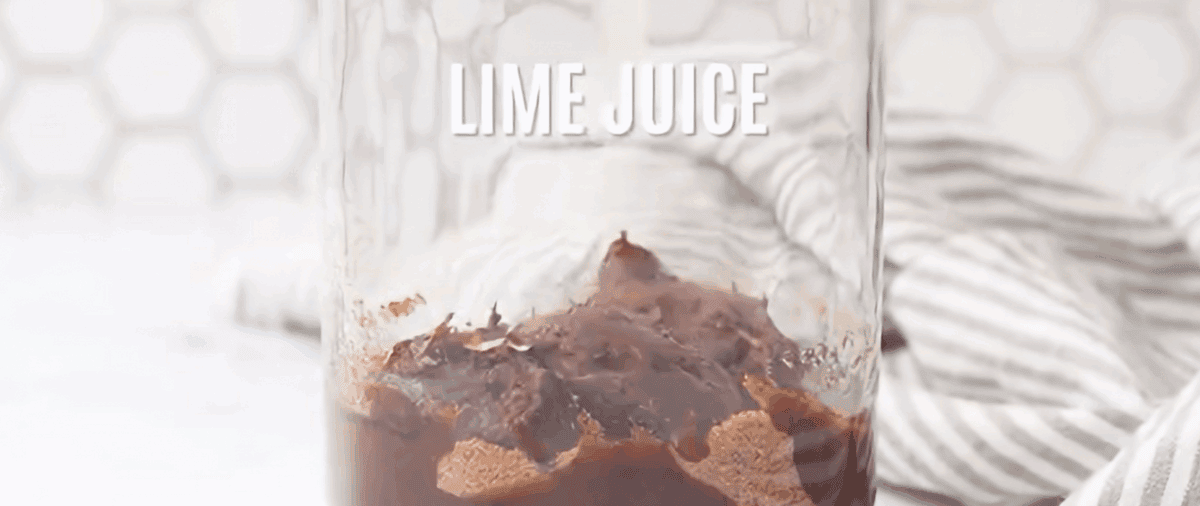
Make the Pad Thai sauce: Place the 1 cup palm sugar, 1/3 cup fish sauce, 3 tbsp tamarind paste, 2 tbsp lime juice, 1 tbsp low-sodium soy sauce, and ¼ tsp red pepper flakes into a large jar with a lid. Shake vigorously until combined. (If all the sugar doesn’t dissolve, give it a stir until it is incorporated. Alternatively, you can place the ingredients in a medium-sized bowl and whisk them together.) Set aside.
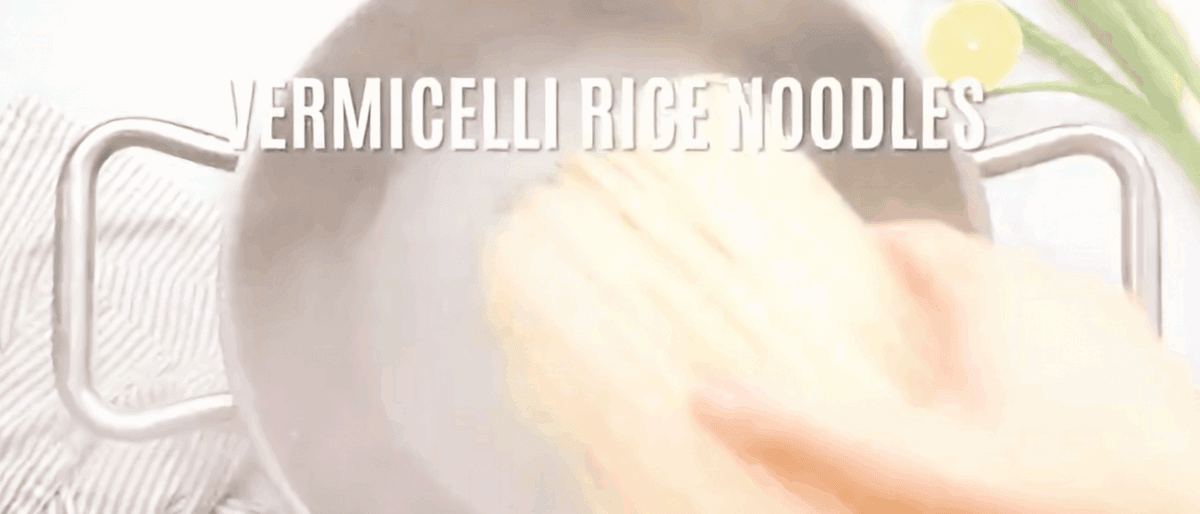
Cook the noodles: Cook the rice noodles according to the package directions. Drain, rinse with cold water, and set aside.
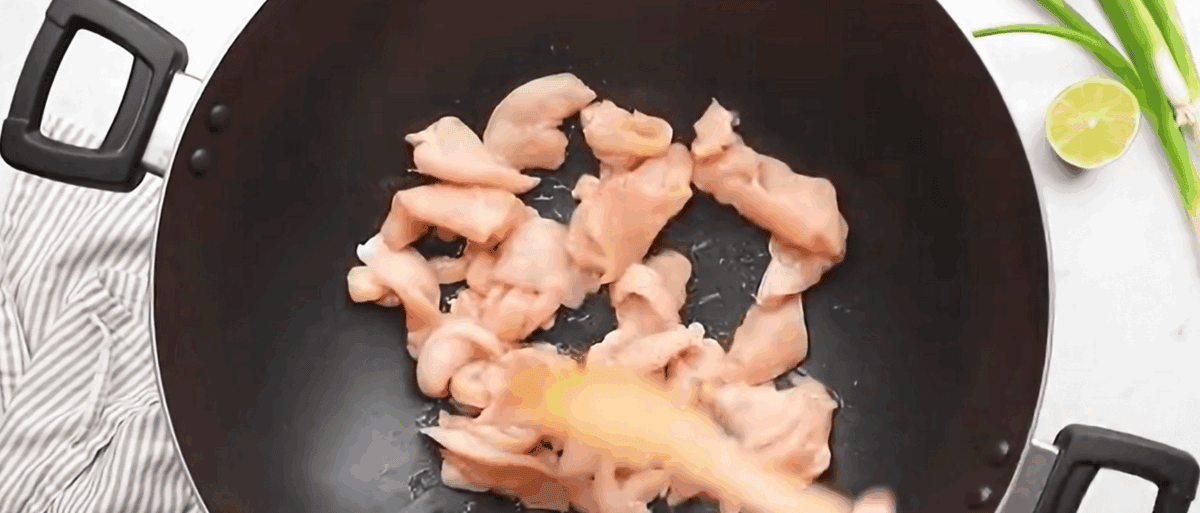
Cook the chicken: Heat a large wok (I use a 14-inch wok) or very large skillet over medium-high heat. Add 1 tbsp of the oil; once hot, add the chicken and cook until almost done, 6 to 8 minutes. Transfer the chicken to a plate.
Wipe out the wok and add the remaining 1 tbsp of oil. Add the garlic and cook until just fragrant, 20 seconds.
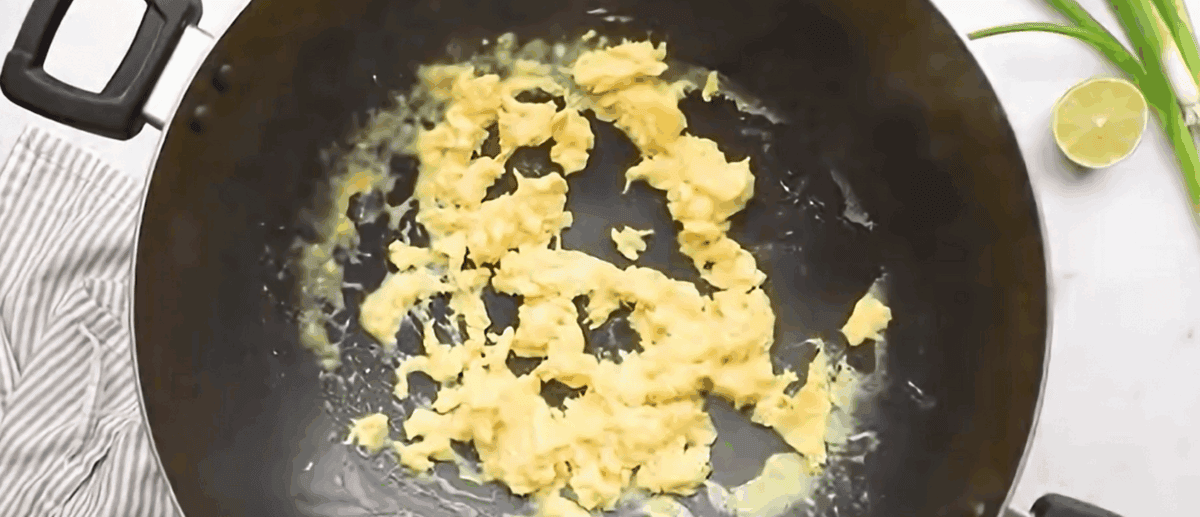
Cook the eggs: Add the well-beaten eggs and stir them around until just done.
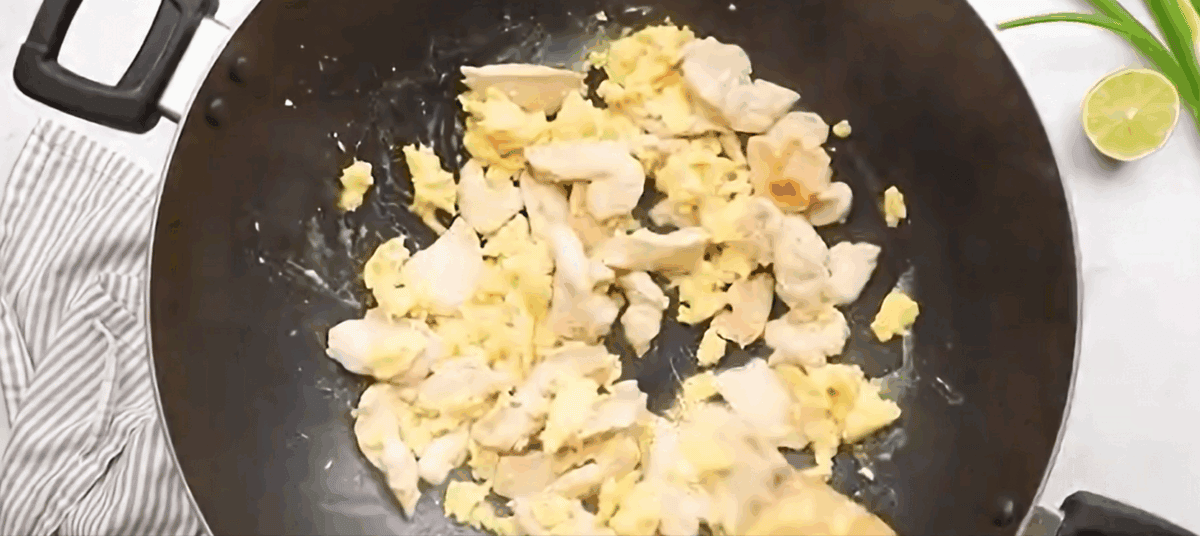
Mix together: Add the chicken back to the pan and mix it with the eggs. Add the noodles and break them up so they are not sticking together, mix everything together (doing this with tongs makes it easier.)
Add the sauce and stir so everything is coated. Allow to cook, stirring occasionally until 3/4 of the sauce is absorbed, about 10 minutes.
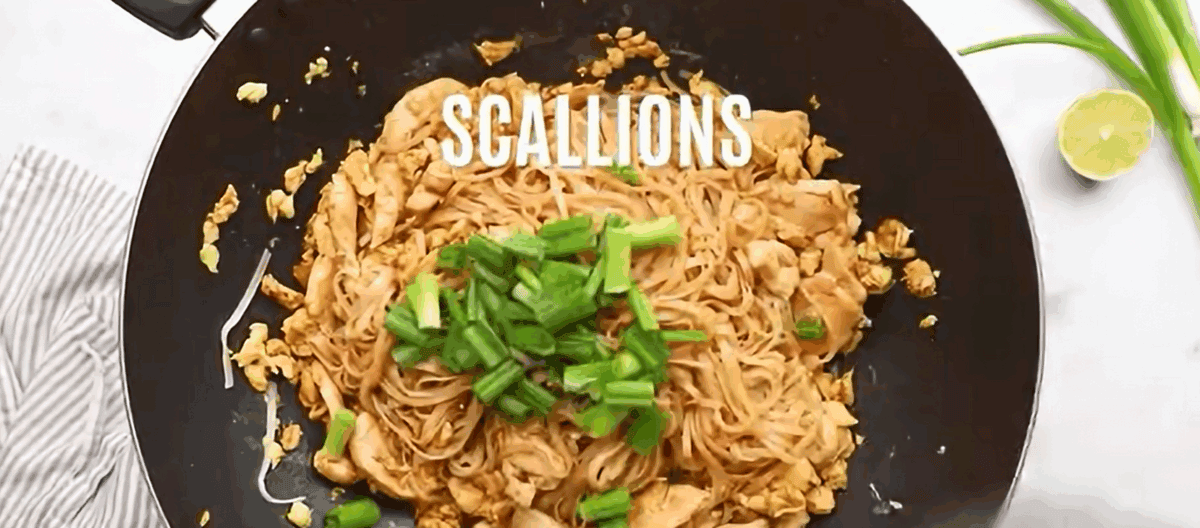
Add the scallions and bean sprouts: Add the scallions and 1 cup of fresh bean sprouts. Toss to combine.

Serve immediately: Garnish with the remaining fresh bean sprouts, fresh cilantro, peanuts, and lime wedges.
How to Store
Enjoy your chicken Pad Thai as soon as it’s finished cooking, as the noodles absorb the sauce fairly quickly. If there are any leftovers, store them in an airtight container in the fridge for up to 3 days.
To reheat, I suggest microwaving or heating back up in the wok/skillet. The noodles will absorb all of the liquid, to counteract this, I like to put some unsalted chicken or vegetable stock in the skillet to break up the noodles and loosen everything up. How much you add is up to the volume of leftovers you have. Just add a little at a time to your desired preference.
You can also freeze Pad Thai for up to 3 months in a freezer-safe container. Thaw in the fridge then reheat with the directions above.

What to Serve with Pad Thai
When I’m in the mood for an authentic Thai meal, I’ll start with a Thai curry soup, add this Thai grilled shrimp, and wash it all down with a refreshing cherry limeade.
More Asian Recipes
- Stir Fry Sauce {All-Purpose}
- Miso Soup
- Egg Drop Soup
- Beef Fried Rice
- Moo Shu Pork